Thinkers

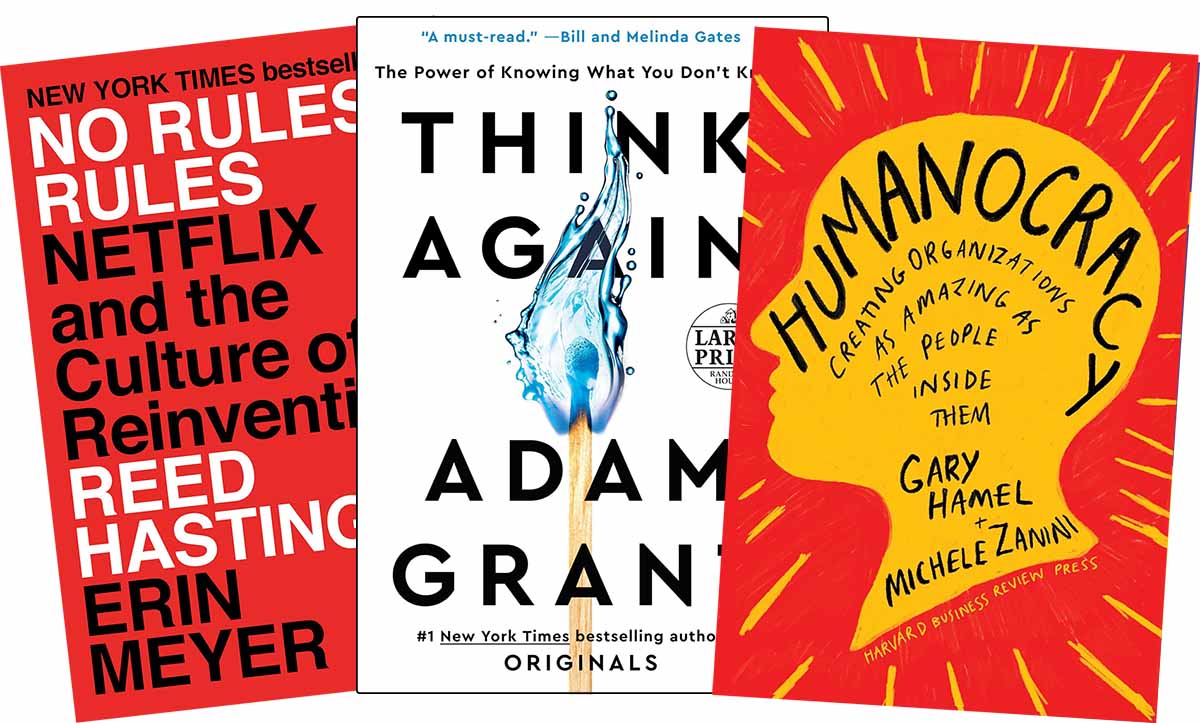
Culture from Hastings and Hamel. Strategy from Collins and Godin. Influence from Cialdini. Thinking from Kline. Positioning from Enns. We’re borrowing from the best – over fifty already – and testing what works in our real life.

Here’s a small selection of our influences.
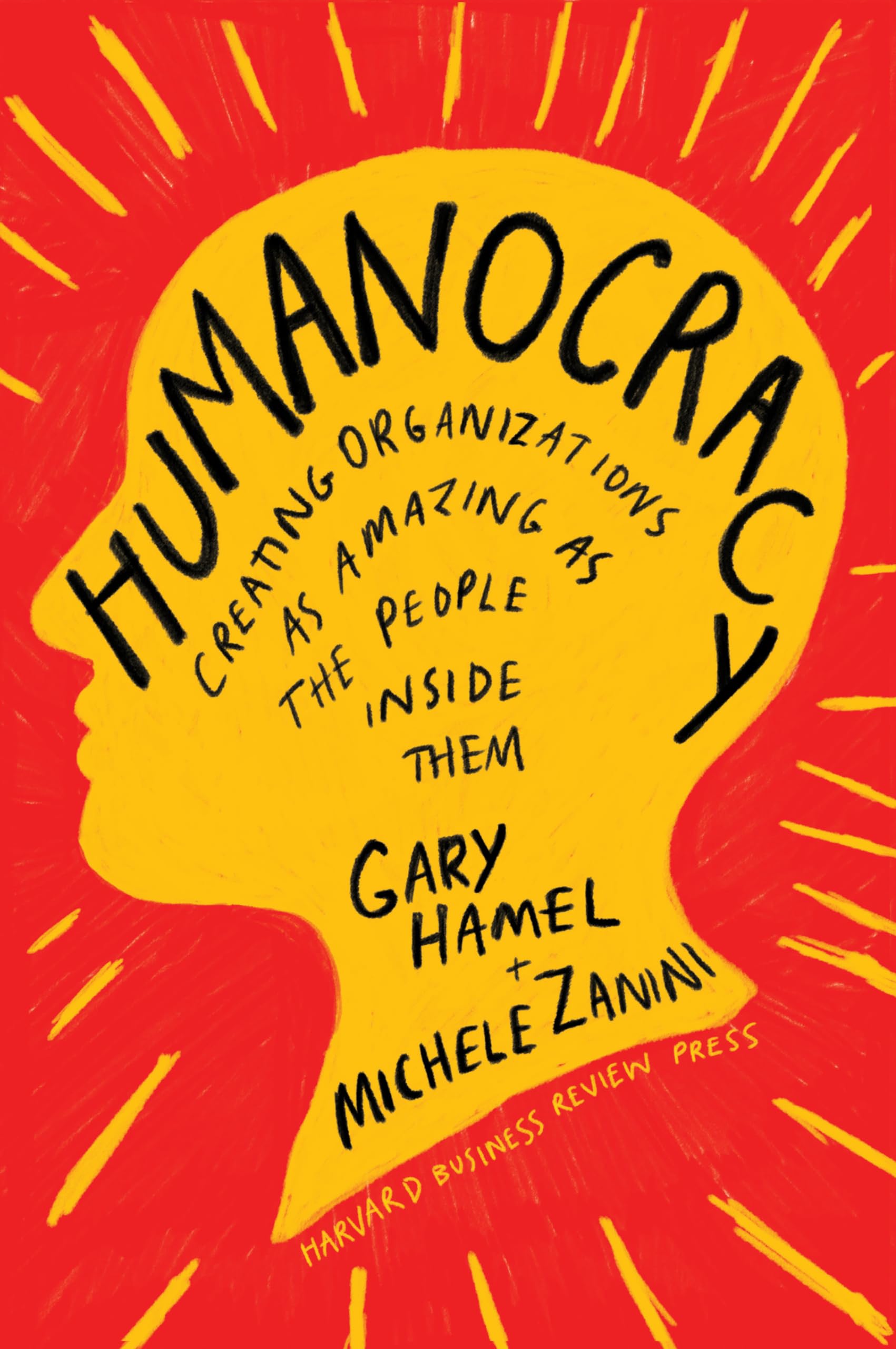
Humanocracy

by Gary Hamel and Michele Zanini

Case studies of organizations running with minimal hierarchy and maximum individual freedom—showing that purpose-driven, experimental cultures beat command-and-control models.

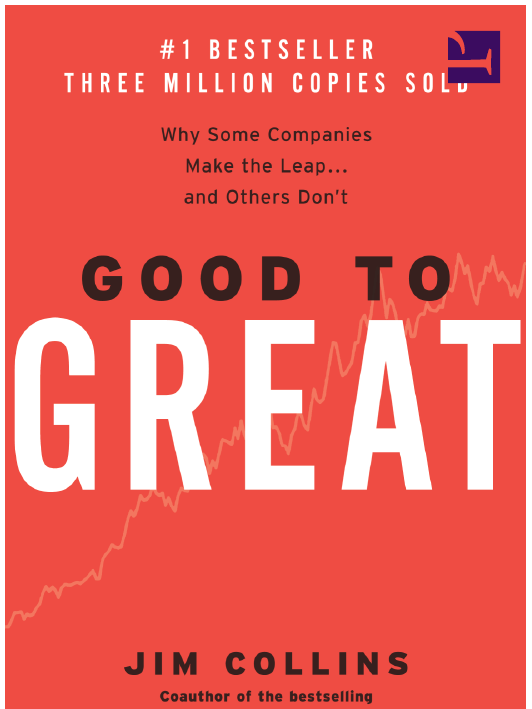
Good to Great

by Jim Collins

Research identifying what separates companies achieving sustained excellence from those stuck at merely good—Level 5 Leadership, First Who Then What, the Hedgehog Concept, and the Flywheel Effect.

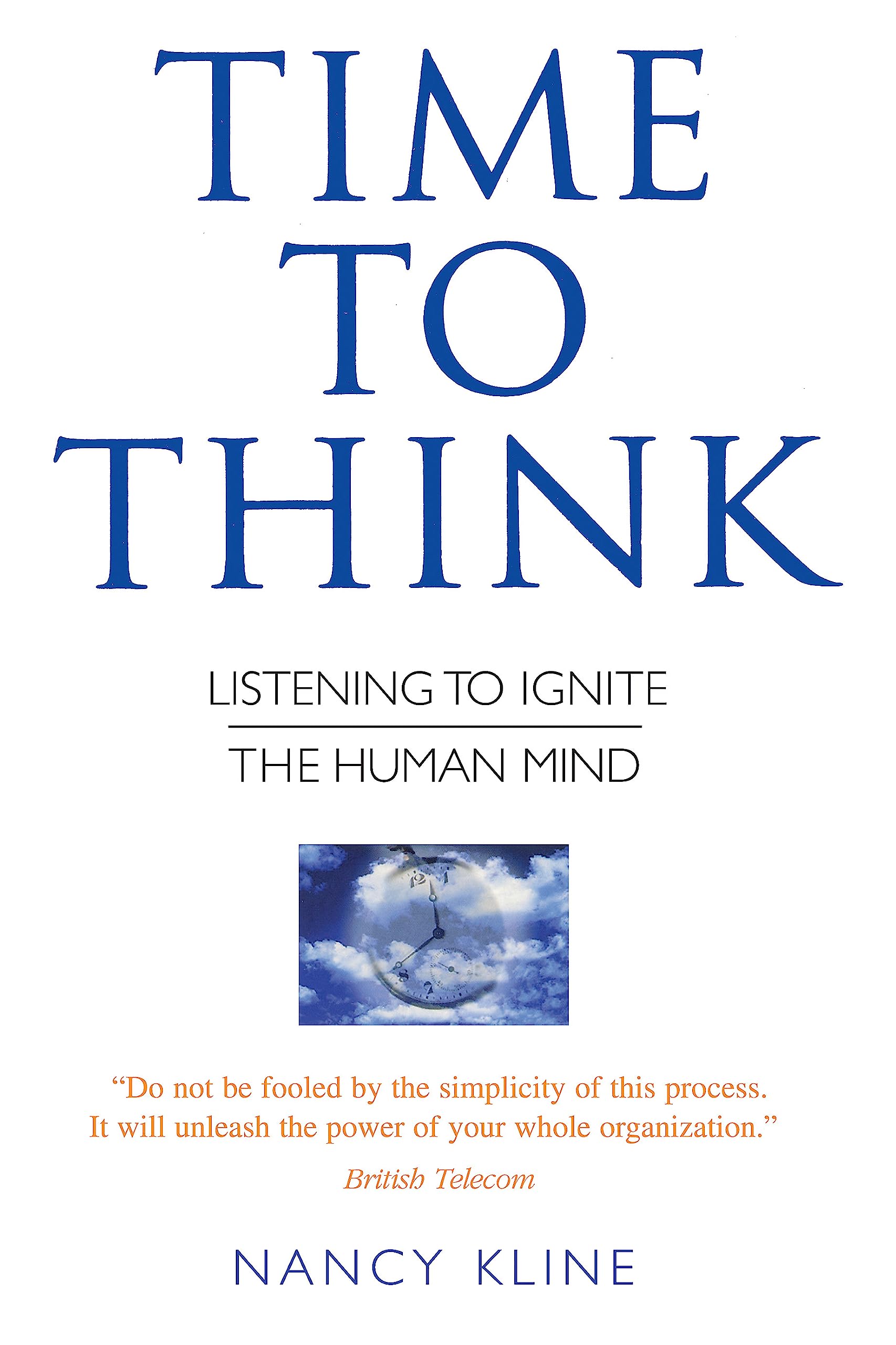
Time to Think

by Nancy Kline

A ten-part framework creates thinking environments where attention, equality, and good questions help people think for themselves with exceptional clarity.

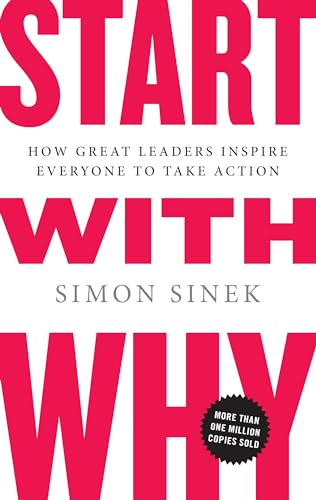
Start With Why

by Simon Sinek

The Golden Circle shows that great leaders share purpose (why) before process (how) or product (what)—inspiring fierce loyalty rather than struggling for buy-in.

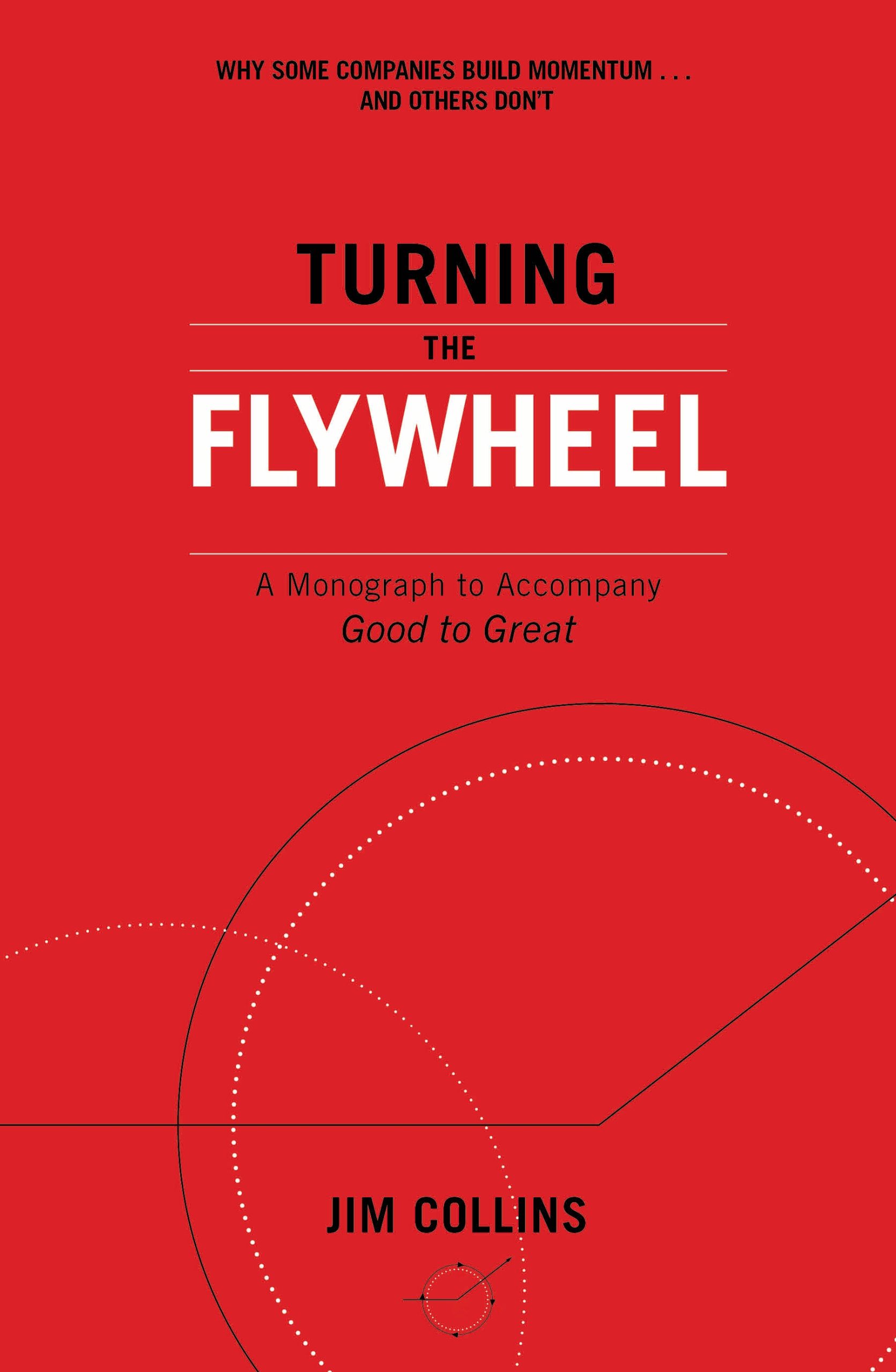
Turning the Flywheel

by Jim Collins

Shows that breakthrough success comes from persistent pushing in one direction—each turn builds on previous momentum in a self-reinforcing cycle.

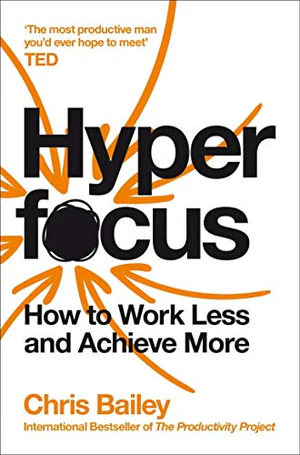
Hyperfocus

by Chris Bailey

Explains the difference between hyperfocus (intense concentration) and scatterfocus (mind-wandering for creativity), with practical techniques for maintaining deep work.

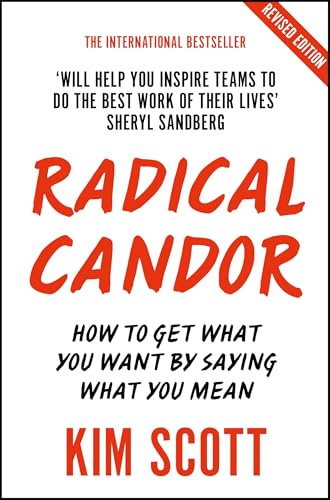
Radical Candor

by Kim Scott

A framework showing that caring personally while challenging directly creates effective feedback—avoiding both harsh criticism and avoiding hard truths.

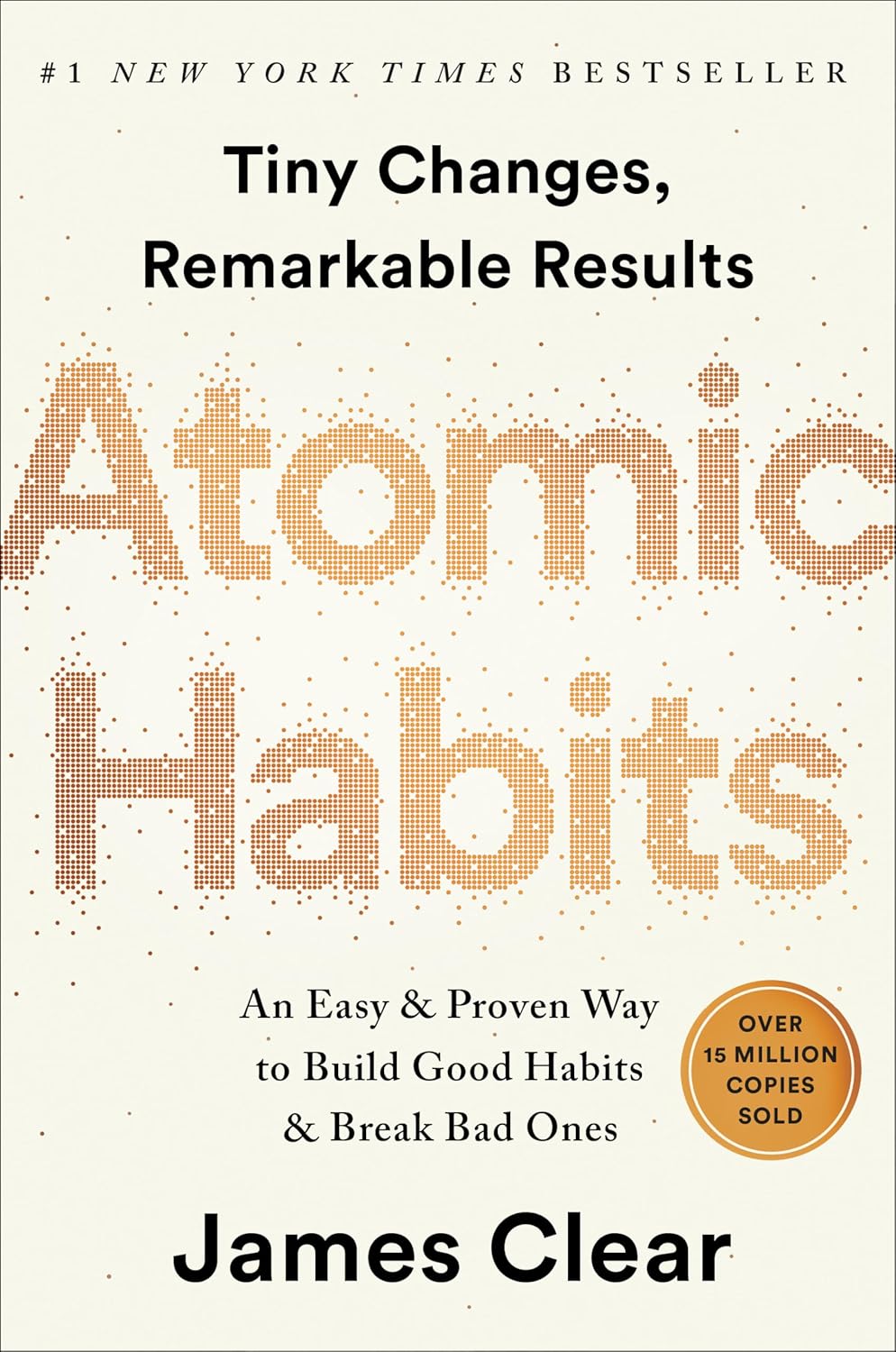
Atomic Habits

by James Clear

Shows that small 1% improvements add up through four rules—make it obvious, attractive, easy, and satisfying—creating lasting change without relying on willpower.

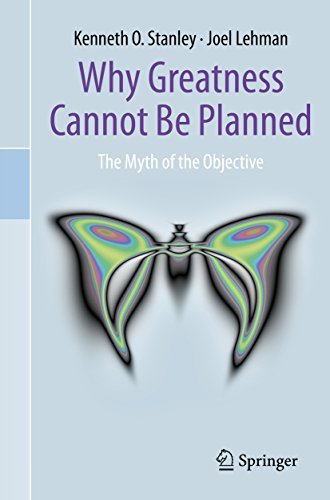
Why Greatness Cannot Be Planned

by Kenneth Stanley and Joel Lehman

Argues that breakthrough innovations come from pursuing interesting problems without fixed endpoints—you can’t plan the path to innovation in advance, only discover it.

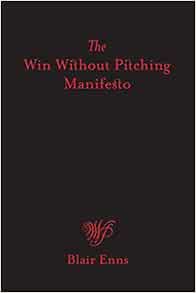
The Win Without Pitching Manifesto 

by Blair Enns

Twelve principles that position specialists as authorities who clients qualify for—commanding premium fees through expertise rather than competing for work.

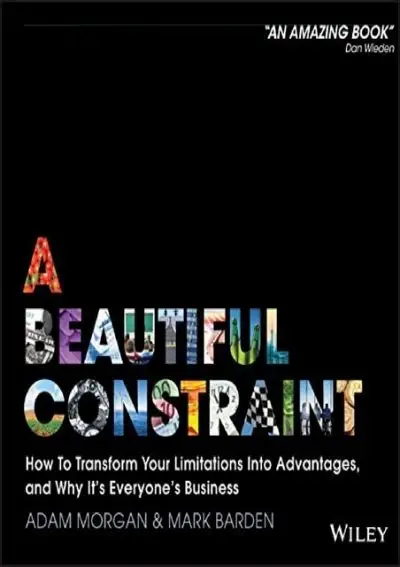
A Beautiful Constraint

 by Adam Morgan and Mark Barden

Shows that turning limits into breakthroughs requires shifting from “we can’t” to “how might we?”—revealing that restrictions often drive creative solutions.

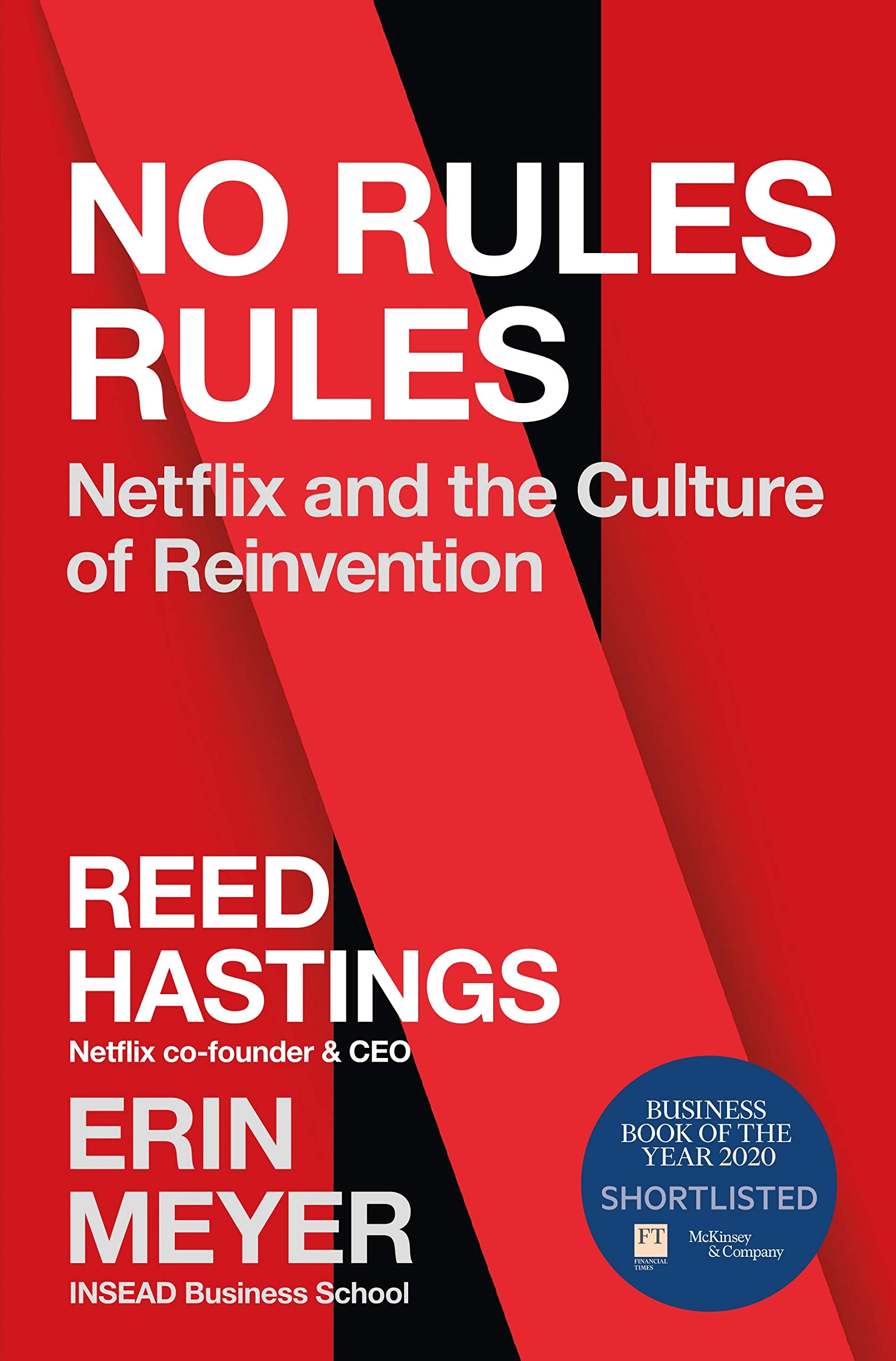
No Rules Rules 

by Reed Hastings and Erin Meyer

Netflix’s unusual culture shows that building talent, honest feedback, and freedom with responsibility works better than traditional controls in creative work.